What Does “We’re Still Interviewing Other Candidates” Mean? (And How to Respond)
Author: Hira Riaz
Published On 27 Sept, 2026.

TABLE OF CONTENTS
Estimated read time 9 minutes.
What does it mean when a recruiter says they’re still interviewing other candidates?
- It is usually a neutral hiring update, not an automatic rejection.
- The employer has not yet communicated a final decision.
- You may be one of several candidates still under consideration.
- You could also be an alternative while the employer waits for its preferred candidate.
- The timeline and the employer’s next actions reveal more than the phrase itself.
What should you do?
- Ask: “When do you expect to make a decision?”
- Follow up once after the stated timeline passes.
- If no timeline was provided, wait approximately five business days.
- Continue applying and interviewing elsewhere.
- Treat clear updates as encouraging and repeated delays or silence as caution signs.
Is It a Bad Sign or Simply a Hiring Update?
“We’re still interviewing other candidates” is not automatically a rejection; on its own, it is a neutral hiring update.
Perhaps you have just finished what felt like a great interview. The hiring manager smiled, the conversation flowed, and you left thinking, “I’ve got this.”
Then you hear those five words.
Suddenly, you are unsure. Are you being rejected politely? Are you the backup candidate? Or is the hiring process genuinely still open?
I have heard and used this phrase from both sides of the hiring table. As an HR Manager at a tech startup, I have interviewed hundreds of candidates—from university recruitment drives to final discussions with CEOs. I have used it when interviews were genuinely continuing, while waiting for final approval and when keeping a promising candidate under consideration.
If you want support throughout the complete hiring process, my interview preparation guide explains how to prepare, answer confidently and handle what happens after the interview.
The phrase is not a yes or a no. The interview stage, promised timeline and employer’s next actions reveal where you may actually stand.
“Still Interviewing” vs. “Pursuing Other Candidates”
These two messages may sound similar, but they represent very different stages of the hiring process.
Phrase |
What It Means |
|---|---|
"We're still interviewing other candidates"
|
No final decision has been communicated. You may remain an active candidate or be kept under consideration as an alternative.
|
"We have decided to pursue other candidates"
|
The hiring process has ended for you, and the employer has selected or decided to continue with other applicants.
|
“Still interviewing” leaves the possibility open, but it does not reveal where you rank or guarantee that you will progress.
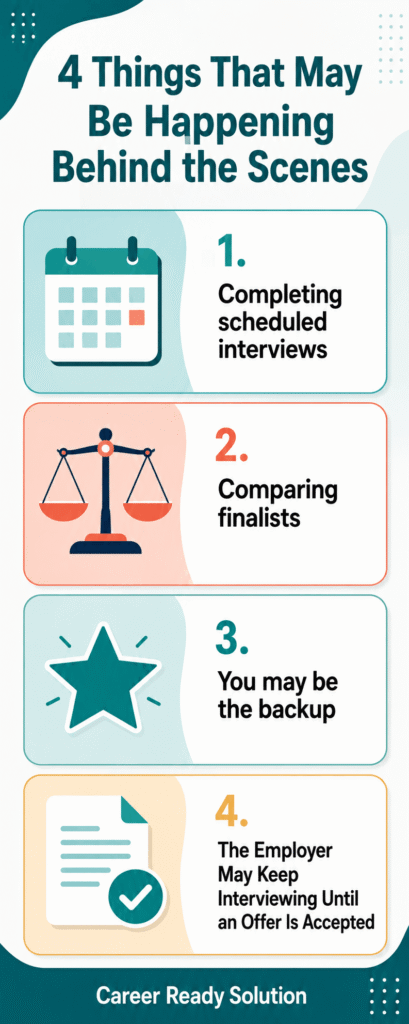
What May Be Happening Behind the Hiring Process
As an HR Manager at a tech startup, I’ve used this line with candidates – sometimes because the process was genuinely still open, sometimes because we were waiting on a final decision from leadership, and occasionally because I had no permission to share the real reason for the delay.
The Employer Is Completing Scheduled Interviews
They may have promised every shortlisted candidate an interview before making a decision. If you interviewed early, they might genuinely need to finish the full round before they can compare everyone.
The Hiring Team Is Still Comparing Finalists
Two or more candidates may meet the requirements, and the hiring manager has not reached a final decision. This is common when there’s no clear standout – you’re being evaluated against one or two other strong candidates.
You May Be the Second-Choice Candidate
This is the scenario candidates fear most – and it happens more often than you’d think. The employer may have a preferred candidate who hasn’t formally accepted yet. Rather than closing your file, they keep you in a holding pattern as a backup.
In my experience, this “holding pattern” can last anywhere from two weeks to six weeks. It’s pragmatic on their end. It’s also frustrating.
From My Recruiter Desk
While recruiting an HR professional for a U.S. medical-billing startup, I interviewed several candidates. The CEO approved three candidates for the next stage. Another candidate was not selected at that point, but I believed he had genuine potential.
Instead of sending him an immediate rejection, I explained that we were still interviewing. The process remained open, and I wanted to keep him under consideration in case one of the leading candidates withdrew or did not progress.
In this situation, the phrase did not mean that the candidate lacked value. It meant that he was not the first choice at that moment—but the door was not completely closed.

The Employer May Keep Interviewing Until an Offer Is Accepted
Candidate changed expected salary thrice. . .Yes! it happens
In another recruitment assignment, a candidate reached the final stage after providing a salary expectation that was within the company’s budget. However, the figure changed during later discussions with the company’s HR representative and CEO. By the final conversation, the candidate had revised the expectation again after researching market rates.
Experiences like this are one reason employers may continue speaking with other candidates until the salary is agreed and the written offer is accepted.
A selected candidate can change their expectations, decline the offer or withdraw at the last moment, so the employer may keep other suitable candidates under consideration.
Read the Employer's Actions, Not Just the Words
Words are cheap. Actions tell you everything. Here’s how to interpret what you’re actually seeing:
Active Candidate, Backup, or Stalled Process
Signal |
Possible Meaning |
What to Do |
|---|---|---|
Clear decision date and responsive recruiter
|
Process is genuinely active
|
Wait until the stated date
|
Additional documents or references requested
|
Strong interest, but no guarantee
|
Respond promptly
|
No timeline and vague updates
|
Decision remains uncertain
|
Ask for a decision timeframe
|
Repeated delays after the final round
|
You may be a backup
|
Continue pursuing other roles
|
Missed deadlines followed by silence
|
Process may be stalled or closed
|
Follow up once, then move forward
|
No single signal guarantees an offer or rejection. But patterns matter. If a recruiter misses multiple deadlines and goes silent, that’s a pattern worth noticing.
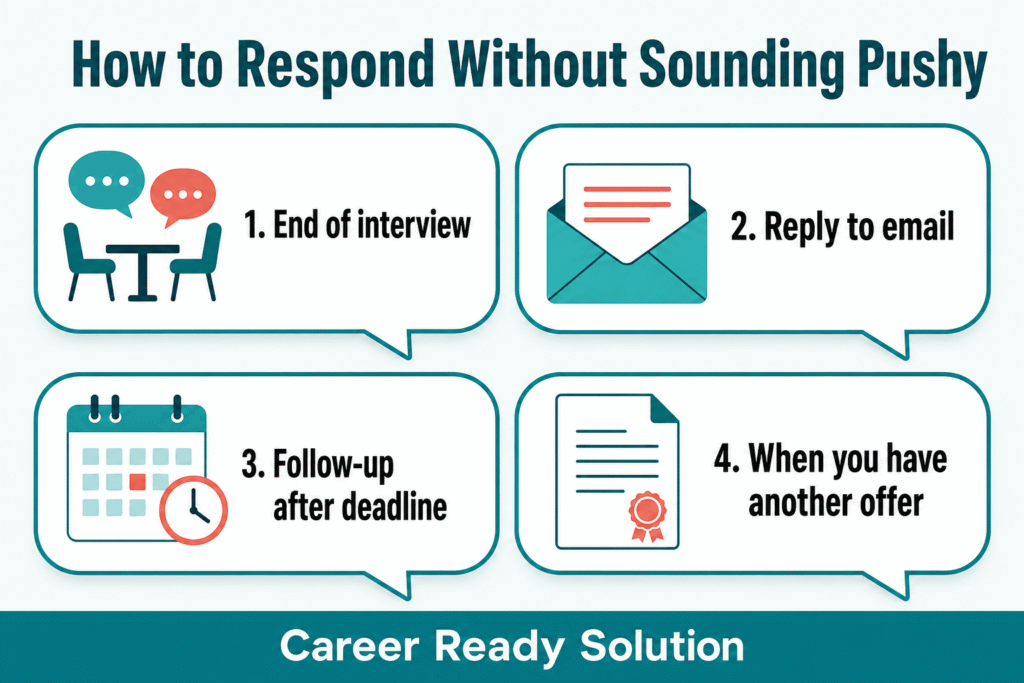
How to Respond Without Sounding Pushy
This is where most candidates get it wrong. They either say nothing and disappear, or they send daily follow-ups that annoy the recruiter. Here’s the middle ground.
What to Say at the End of the Interview
If the interviewer says “we’re still interviewing other candidates” during the interview, respond with:
“I appreciate that. I’m very interested in this role. When do you expect to have a final decision?”
This is polite, confident, and gives you a clear timeline to work with.
Asking about the decision timeline is only one useful closing question. These smart questions to ask before an interview ends can help you leave a stronger final impression.
How to Reply When the Recruiter Emails You
If you receive this phrase in an email, reply with:
“Thank you for the update. I remain very interested in this opportunity. Could you let me know when you expect to have a decision?”
This acknowledges the update, confirms your interest, and asks for the next step – without sounding desperate.
Follow-Up Message After the Decision Date Passes
If they gave you a date and it passed, wait one business day, then send:
“Hi (Name), I hope you’re well. Just following up on the timeline you mentioned. I’m still very interested in the role. Do you have any updates on when I might hear back?”
The key: One polite follow-up. Not two. Not three. One.
What to Say When You Have Another Job Offer
If you have a genuine deadline from another company, disclose it professionally:
“I wanted to let you know that I have received an offer from another company with a decision deadline of (date). I remain very interested in this role and would love to know if there’s any update on your timeline before I need to respond to them.”
Never invent another offer to pressure the company. It’s dishonest, and if they find out, you’ll lose any trust you’ve built.
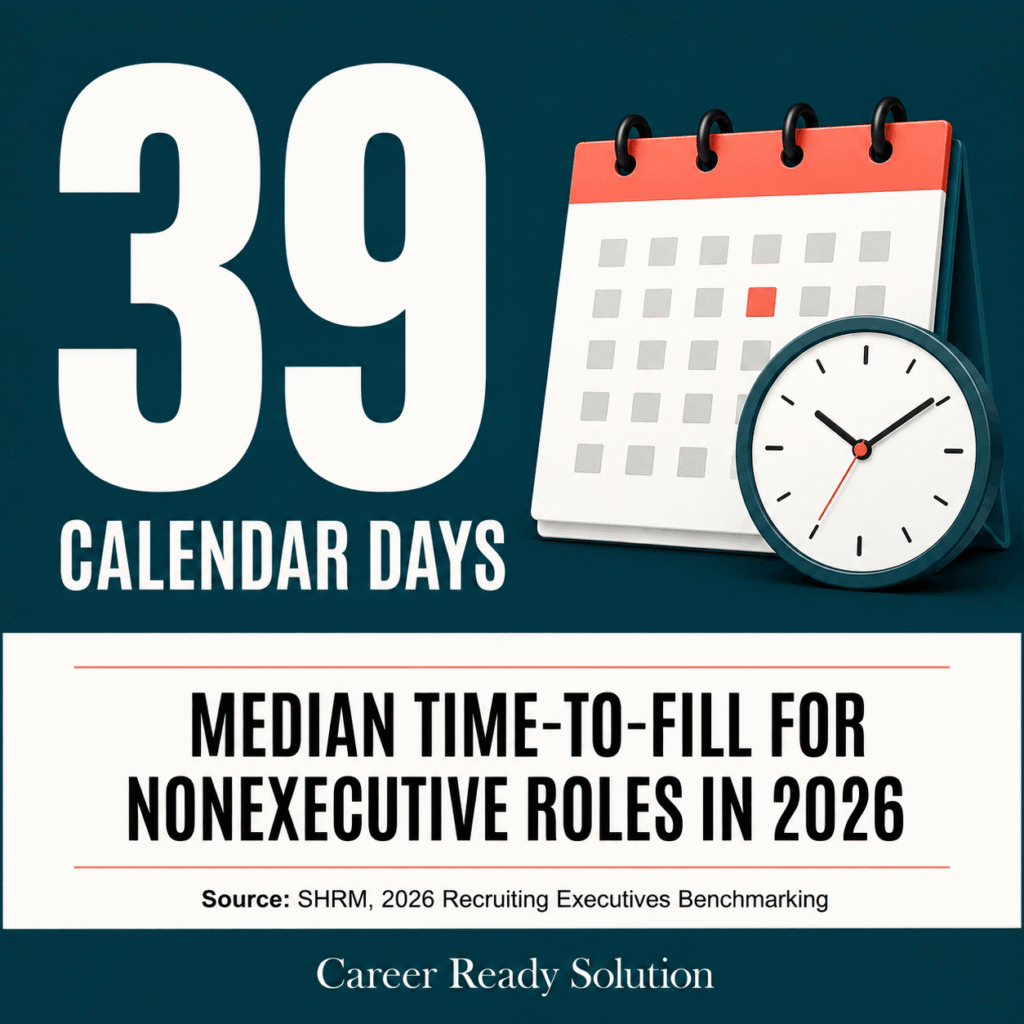
How Long Should You Wait for a Decision?
The waiting period is where candidates lose momentum. Here’s a clear timeline:
With a Decision Date Provided
Follow up one business day after the promised date passes.
How I communicate with candidates?
At the end of each interview stage, I usually tell candidates:
“We are still conducting interviews, and I expect to share an update within five business days. If you do not hear from me by then, you are welcome to email me.”
When I use this wording, it is not a hidden rejection. It simply means that other scheduled interviews must be completed before feedback can be provided.
No Date Provided
Follow up after approximately five business days.
No Reply After Your First Follow-Up
Send one final follow-up around a week later.
If the promised update never arrives, these real reasons recruiters go silent after interviews explain what may be happening beyond your application.
Continued Silence
Treat the opportunity as inactive. You don’t need to send a third message. A recruiter who ignores two follow-ups is a recruiter who is not prioritizing you.
What Not to Do While the Company Decides
- Do not stop your entire job search. Keep applying. Keep networking. Keep your options open.
- Do not send repeated daily messages. One follow-up is professional. Five is pushy.
- Do not demand to know where you rank. Recruiters rarely share this, and asking makes you look difficult.
- Do not interpret every sentence as an interview signal. “We’re still interviewing” is not a code for “we secretly love you.”
- Do not fabricate another offer. It will backfire.
- Do not reject genuine opportunities while waiting for an uncertain one.
One company’s uncertainty should not put your entire search on hold. Use this practical system for keeping your job search moving while you wait.
Final Takeaway: Stay Interested Without Standing Still
“We’re still interviewing other candidates” is neither an offer nor a rejection. It’s a status update.
The candidate’s job is to confirm the timeline, follow up professionally, and keep pursuing other opportunities. Not as a backup plan – as a primary strategy.
If you keep reaching final interviews without understanding what is blocking the offer, my one-to-one career guidance for clearer next steps can help you identify the pattern.
What does it mean when a recruiter says they’re still interviewing other candidates?
- It is usually a neutral hiring update, not an automatic rejection.
- The employer has not yet communicated a final decision.
- You may be one of several candidates still under consideration.
- You could also be an alternative while the employer waits for its preferred candidate.
- The timeline and the employer’s next actions reveal more than the phrase itself.
What should you do?
- Ask: “When do you expect to make a decision?”
- Follow up once after the stated timeline passes.
- If no timeline was provided, wait approximately five business days.
- Continue applying and interviewing elsewhere.
- Treat clear updates as encouraging and repeated delays or silence as caution signs.
Frequently Asked Questions
Can You Still Get the Job After Hearing This Phrase?
Yes. In many cases, candidates who hear “we’re still interviewing other candidates” go on to receive offers – especially if the employer is genuinely completing scheduled interviews or comparing finalists.
Does It Mean the Employer Prefers Another Candidate?
Not necessarily. It means they haven’t decided. You could be the top candidate. You could be the backup. You could be tied with someone else. The phrase itself tells you nothing about your ranking.
What Does "We Have a Few More Candidates to Interview" Mean?
It’s a literal statement. They have scheduled interviews remaining. They won’t make a decision until they complete them. It’s a timing issue, not a quality-of-candidate issue.
Should You Ask How Many Candidates Are Still Being Considered?
Generally, no. Most recruiters won’t share this information, and asking can make you seem anxious or competitive. Instead, ask for a timeline: “When do you expect to have a decision?”
What If the Employer Keeps Extending the Decision Date?
This is a yellow flag. It may mean you’re the backup candidate, internal delays are ongoing, or the process is stuck. Ask one more time for a clear date. If they keep extending, treat the opportunity as inactive and focus your energy elsewhere.
About the Author
Hira Riaz is an HR Consultant with 7+ years of experience hiring across tech startups, pharma, and NGOs. Having reviewed hundreds of resumes and interviewed candidates across roles, she brings real recruiter insights into what actually works in today’s job market.
She specializes in resume optimization, interview strategy, and career growth, helping professionals turn their experience into interview calls. She also shares practical career advice with 60,000+ professionals on LinkedIn.